


Summer has always been prime time for home maintenance. Warmer weather makes it easier to tackle exterior projects, improve curb appeal, and get ahead of costly repairs. But in 2026, homeowners are approaching maintenance a little differently.
It’s no longer just about upkeep—it’s about managing long-term costs in a world where energy prices, inflation, and global uncertainty are all playing a role in how expensive it is to own and operate a home.
Start with the Essentials: Protecting Your Property
Before diving into upgrades, homeowners should focus on the fundamentals that preserve value and prevent major issues.
HVAC systems should be serviced before peak summer heat hits. A well-maintained system runs more efficiently, lowers energy usage, and reduces the risk of breakdowns during the hottest months.
Roof and exterior checks are equally important. High heat, storms, and sun exposure can accelerate wear on shingles, siding, and paint. Catching small issues early can prevent expensive structural damage later.
Drainage and landscaping also deserve attention. Clearing gutters, checking grading, and managing irrigation help protect your foundation and prevent water intrusion—especially during heavy summer storms.
These basics may not be flashy, but they are critical for maintaining both home value and long-term durability.
Efficiency Upgrades That Actually Pay Off
Beyond maintenance, summer is one of the best times to invest in efficiency improvements that can reduce ongoing costs.
Some of the most impactful upgrades include:
- Sealing windows and doors to prevent air leaks
- Adding or upgrading attic insulation
- Installing smart thermostats
- Replacing outdated HVAC systems or appliances
These improvements often deliver immediate savings while also making a home more attractive to future buyers. In today’s market, efficiency is becoming a key selling point—not just a bonus.
The Bigger Factor This Year: Rising Energy Costs
One of the biggest shifts homeowners are dealing with this summer is the rising cost of energy.
Global tensions, particularly involving Iran, have disrupted oil markets and created volatility in fuel prices. Because energy markets are interconnected, this impacts more than just what you pay at the pump—it also affects electricity costs, transportation, and even the price of building materials.
For homeowners, that shows up in a few key ways:
- Higher monthly utility bills
- Increased costs for maintenance services and supplies
- Broader pressure on household budgets
Energy has become a central part of the total cost of homeownership, and it’s influencing how people approach both maintenance and upgrades.
How Homeowners Are Adapting
As a result, homeowners are becoming more proactive about controlling their energy use.
For some, that means making smaller changes like:
- Adjusting thermostat usage
- Upgrading to more efficient lighting
- Improving insulation
For others, it’s leading to bigger conversations about long-term energy strategy.
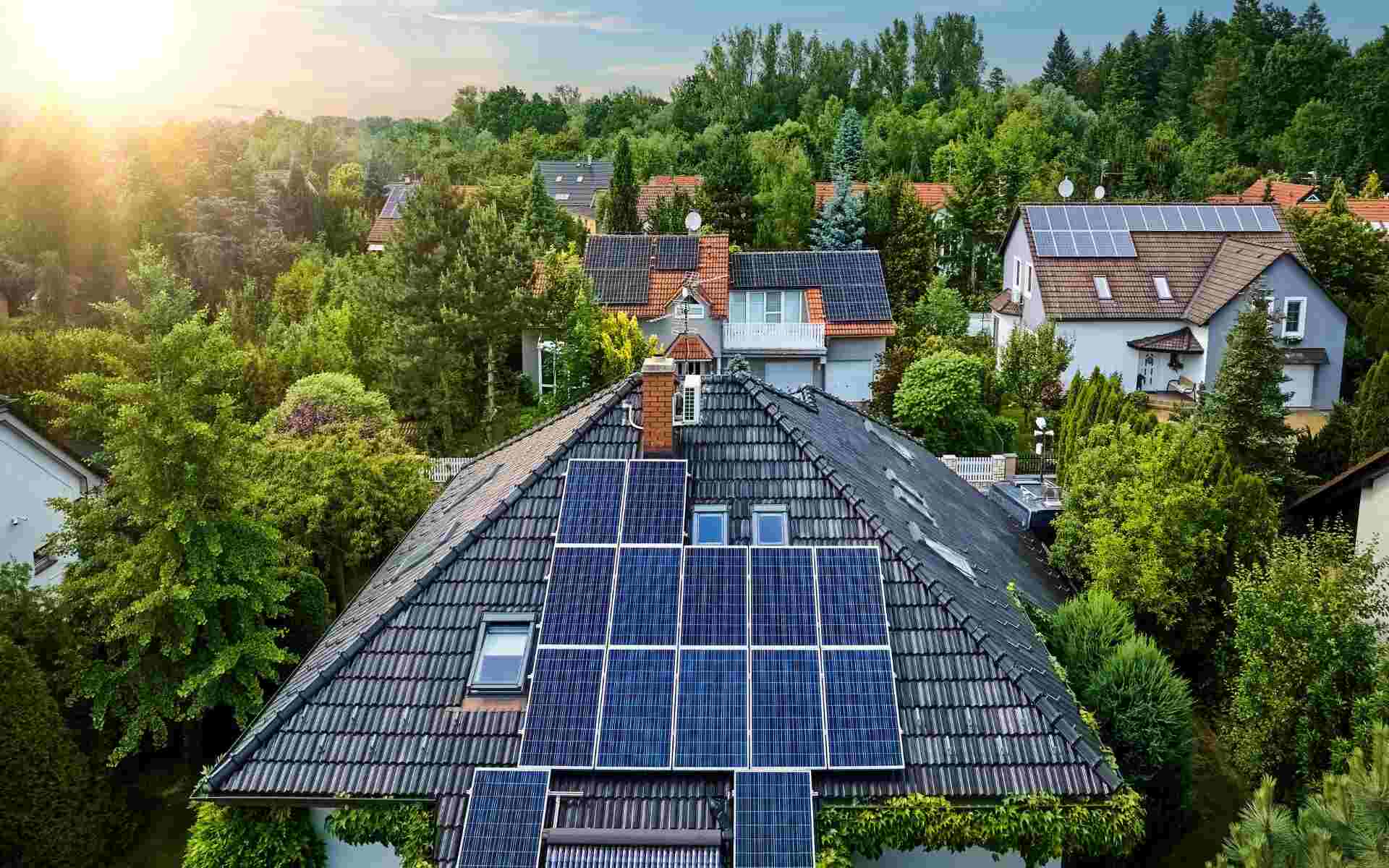
According to Solar Tech General Manager Andrew Hoesly: “What we’re seeing right now is homeowners paying a lot more attention to the total cost of energy over time. It’s not just about what your bill is this month, it’s about how predictable those costs are going forward. That’s driving more interest in efficiency upgrades and, in some cases, solar as a way to take more control.”
Solar is one option among many that homeowners are exploring as part of that strategy, particularly for those looking to reduce reliance on the grid and stabilize energy costs.
Real Estate Impact: Buyers Are Thinking Differently
These trends are also starting to show up in the housing market.
Today’s buyers are increasingly focused on operating costs, not just purchase price. That includes:
- Utility expenses
- Energy efficiency
- Condition of major systems like HVAC and roofing
Homes that are well-maintained and energy-efficient are becoming more competitive, especially in markets where costs are rising quickly.
At the same time, higher energy prices are contributing to broader economic pressures, including inflation and interest rate sensitivity. That can affect affordability and shift buyer behavior, particularly for first-time buyers.
Timing Matters: Why Summer Is the Window to Act
Summer presents a unique opportunity for homeowners to get ahead of these trends.
Contractors are more available, weather conditions are favorable, and improvements made now can deliver immediate benefits during the highest-usage months of the year.
More importantly, taking action now can help homeowners:
- Avoid peak repair costs later
- Reduce monthly expenses
- Improve long-term home value
The Bottom Line
Home maintenance in 2026 is about more than just checking boxes—it’s about making smarter decisions in a changing environment.
By focusing on core upkeep, investing in efficiency, and paying attention to rising energy costs, homeowners can better protect their investment while also controlling expenses.
Because in today’s market, the most valuable homes aren’t just well-maintained—they’re cost-efficient, resilient, and built for long-term stability.
Leave a Reply
You must belogged in to post a comment.