


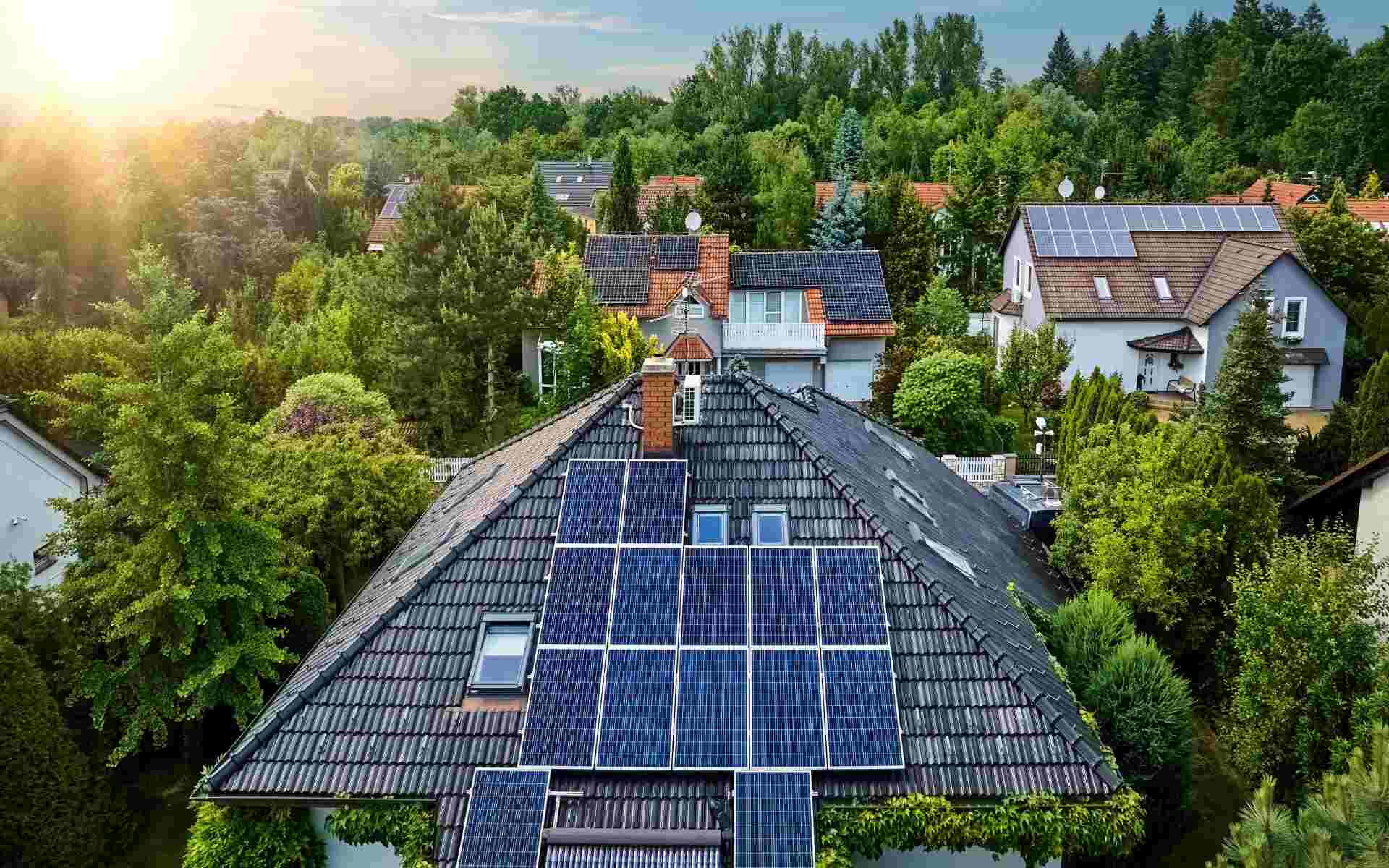
Solar energy has been a fixture of the real estate conversation for years, but the actual data on what homeowners believe, what they want, and what is holding them back has often been scattered across utility reports and advocacy research with an obvious agenda. The 2025 State of Solar survey from SolarTech changes that. The annual homeowner survey cuts through the noise with on-the-ground data on attitudes, adoption rates, and the financial considerations shaping solar decisions across the country — and for real estate professionals, the findings carry real implications for how properties are listed, priced, and evaluated going forward.
Homeowners Are Paying Attention to Energy Costs — and Solar Is the Answer They Keep Landing On
The survey, available in full at SolarTech’s State of Solar report, found that energy cost concerns have become a primary driver of solar interest among homeowners, overtaking environmental motivation as the leading reason people explore installation. That shift is significant. It means solar is no longer a values-driven purchase for a specific type of buyer. It is an economic decision being made by mainstream homeowners in every region of the country, across a wide range of income levels and property types.
For real estate professionals, this reframe matters. A solar-equipped home is not just appealing to eco-conscious buyers anymore. It appeals to any buyer doing the math on their monthly carrying costs. In markets where utility rates have climbed steadily, that is a very large pool of motivated buyers.
The Data on Home Value Is Getting Harder to Ignore
The 2025 State of Solar survey aligns with broader research on solar’s impact on resale value. A widely cited Lawrence Berkeley National Laboratory study found that owned solar installations add an average of $15,000 or more to a home’s appraised value, though the premium varies by market, system size, and age of installation. The SolarTech homeowner data adds a layer that the academic research cannot: it captures how homeowners themselves are thinking about solar as a long-term asset rather than just an operating cost reduction.
Survey respondents who had already installed solar were significantly more likely to describe their home as a better long-term investment compared to non-solar homeowners. That sentiment, while subjective, maps onto real-world transaction data. Homes with owned solar systems are selling faster and at stronger prices in the markets where adoption has been highest, and the trend is spreading into markets where solar was previously a novelty.
The Ownership vs. Lease Divide Is Still Creating Problems in Transactions
One of the more operationally important findings in the SolarTech survey involves how homeowners finance their systems. A meaningful segment of respondents with solar panels on their roofs are under third-party lease or power purchase agreement (PPA) arrangements rather than owning their systems outright. For real estate professionals, this distinction is not a footnote. It is often the difference between a smooth transaction and a complicated one.
Leased systems do not transfer the same value premium as owned systems. The incoming buyer assumes the remaining lease obligation, which can run 10 to 20 years with annual payment escalators. Buyers who are not properly briefed on what they are taking on have backed out of deals after discovering the terms. The National Renewable Energy Laboratory has documented the ways in which third-party ownership structures complicate home sales, and the SolarTech survey data reinforces the point: homeowners in lease agreements were significantly less likely to describe their solar installation as adding value to their home compared to outright owners.
For listing agents, the practical takeaway is straightforward. Know the ownership structure before the home goes on the market, disclose it clearly in the listing, and have documentation ready for buyer review. For buyer’s agents, make sure your clients understand the difference between an owned system and an assumed lease before they fall in love with the utility bills in the seller’s disclosure.
What the Survey Says About Buyer Preferences
Among survey respondents who had not yet installed solar, the data on what would accelerate their decision is instructive for the real estate market. Cost and financing clarity ranked highest, followed by certainty about home value impact and a desire for more information about local utility programs and net metering policies. These are not abstract concerns. They are exactly the kinds of information gaps that a well-prepared listing agent or buyer’s agent can help close.
Buyers who are evaluating a solar-equipped home want to understand two things: what is this system actually producing, and what does that mean for my utility bill. Production reports from system monitoring platforms like Enphase or SolarEdge, paired with 12 months of actual utility bills, answer both questions directly. Sellers who come to the table with that documentation are in a meaningfully stronger position than those who offer a verbal summary and a hope.
Regional Variation Is Significant
The SolarTech survey breaks down homeowner sentiment and adoption rates by region, and the variation is substantial. Sun Belt markets — led by Arizona, California, Florida, and Texas — show the highest adoption rates and the strongest correlation between solar installation and perceived home value improvement. But the survey also flags accelerating interest in markets that have historically lagged, including the Mid-Atlantic, the Midwest, and parts of the Mountain West where utility rate increases have outpaced the national average.
For real estate professionals operating in these emerging markets, the window to build genuine solar expertise ahead of broader adoption is open right now. The agents and brokers who understand how to evaluate, present, and negotiate solar-equipped properties in the next two to three years will be better positioned than those who treat it as a specialty niche rather than a standard competency.
The Bottom Line for Real Estate Professionals
The 2025 State of Solar homeowner survey from SolarTech is worth reading in full for anyone who works in residential real estate. The data is grounded in what actual homeowners think and do, rather than what the solar industry hopes they will think and do, and the findings are directly applicable to how real estate professionals advise their clients on both sides of a transaction.
Solar is no longer a niche feature or a feel-good add-on. It is a financial asset with documented impact on resale value, monthly carrying costs, and buyer appeal. Treating it that way — in listings, in buyer consultations, and in appraisal conversations — is the approach that serves clients best and positions real estate professionals as the informed advisors their clients need them to be.