


How the Best States for Filming Are Shaping Real Estate Markets in 2026
https://www.c4dcrew.com/wp-content/uploads/2026/02/C4D-Post-Design-6.png 1000 500 Taylor Witt Taylor Witt https://secure.gravatar.com/avatar/929cbb327a14541f261a18eb19f98ae655626081315c630086c34e67b7853acf?s=96&d=mm&r=gReal estate markets are shaped by more than interest rates and inventory. Employment growth, infrastructure investment, and industry expansion all play a role. One economic driver that often flies under the radar is the film and television industry.
A new 2026 report from Giggster ranking the best and worst states for filming highlights how production incentives, infrastructure, and accessibility are influencing where studios choose to work. Those decisions can also have real implications for local housing demand, rental markets, and commercial development.
Why Film Production Matters for Real Estate
When film and television productions move into a state, they bring temporary and long-term economic activity. That activity often shows up in real estate through:
- Increased demand for short-term and mid-term rentals
- Higher occupancy in apartments and extended-stay housing
- Growth in hospitality, retail, and service-based commercial properties
- Job creation that supports long-term housing demand
Large productions require crews, equipment, staging areas, and support staff. Many of those workers stay in a market for weeks or months at a time, creating consistent rental demand near filming hubs.
What the Giggster Rankings Reveal
According to Giggster’s 2026 guide, states such as California, New York, and Virginia rank at the top for filming thanks to generous tax incentives, strong production infrastructure, and location diversity.

California leads the list after expanding its film tax credit program, offering refundable and transferable credits of up to 50 percent of qualified spending. With one of the largest annual caps in the country, the state is signaling a long-term commitment to keeping productions local.
For real estate markets, that means continued pressure on housing in and around production centers like Los Angeles, Burbank, and surrounding suburbs. Rental properties, especially furnished units and short-term housing, often see consistent demand from production crews.
New York’s incentive program is similarly robust, with refundable credits and one of the highest annual funding caps nationwide. Production activity supports housing demand not only in New York City, but also in upstate regions where filming has expanded in recent years.
Virginia rounds out the top tier, driven by incentives that reward filming in economically distressed areas. That approach can push production activity into smaller cities and towns, where even modest increases in demand can have an outsized impact on local real estate markets.
Film Incentives and Emerging Real Estate Opportunities
In some states, strong filming incentives overlap with redevelopment efforts, opportunity zones, or growing secondary cities. When production activity moves into these areas, it can accelerate demand for:
- Workforce housing
- Adaptive reuse projects, such as warehouse-to-studio conversions
- Small-scale multifamily developments
- Short-term and furnished rental properties
For real estate investors, tracking filming trends can help identify markets where housing demand may rise before it becomes obvious in traditional economic data.
What Lower-Ranked Filming States Tell Us
Giggster’s report also highlights states that rank poorly for filming due to a lack of incentives or production infrastructure. States like Alaska, Delaware, Iowa, and North Dakota score at the bottom of the list.
From a real estate perspective, this does not mean these markets lack opportunity. It does mean they are less likely to benefit from the temporary population spikes, job creation, and tourism exposure that film production can bring. Investors in these areas often rely on other economic drivers rather than entertainment-led growth.
Texas and the Middle-Ground Opportunity
Texas sits outside the top tier of filming states, but it remains a market to watch. Cities like Austin, Dallas, Houston, and San Antonio continue to attract filmmakers due to diverse locations, growing creative communities, and improving incentive programs.
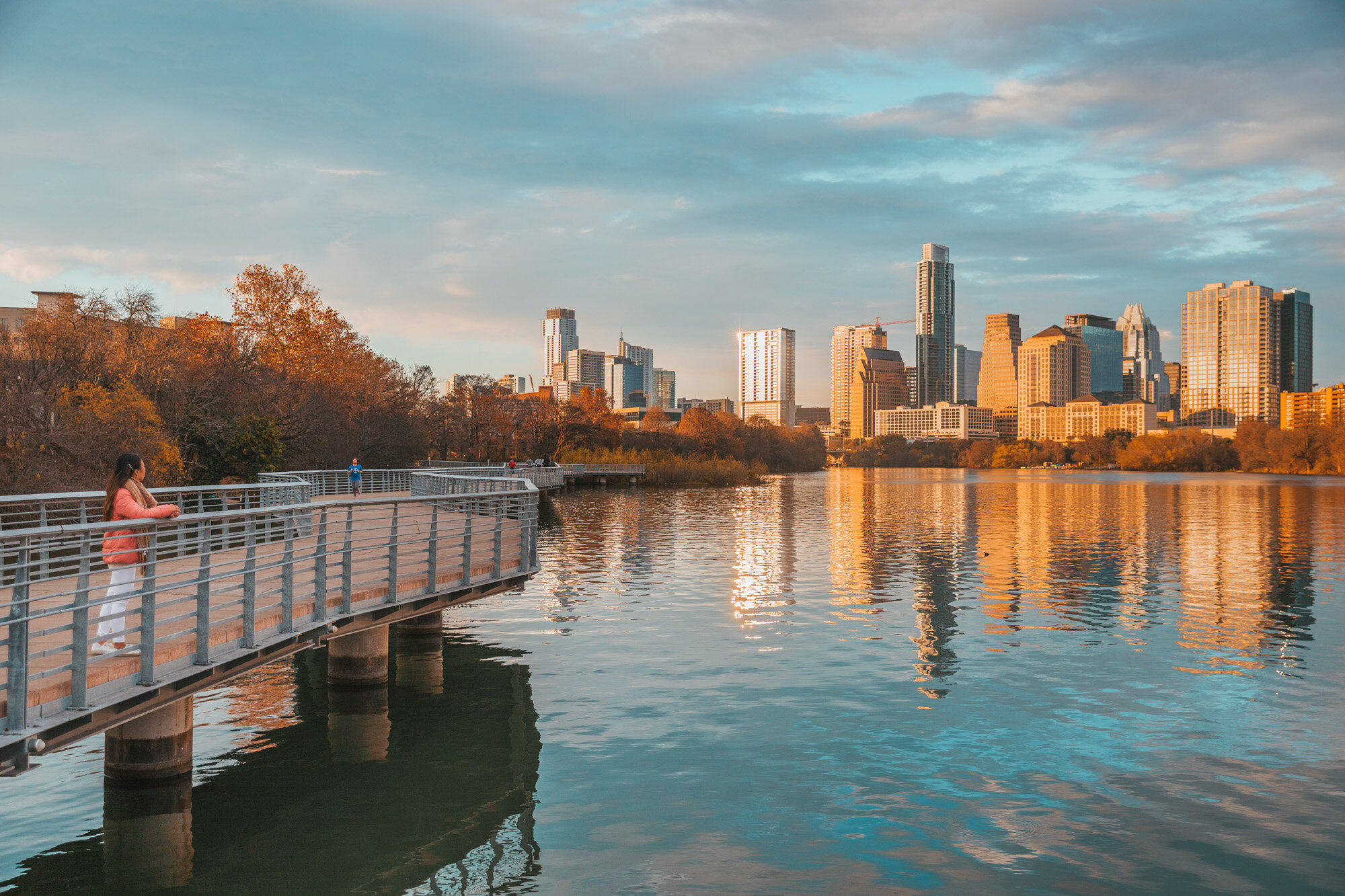
As Texas works to expand its film production footprint, real estate markets near filming activity may benefit from increased rental demand and commercial growth. Short-term rentals, extended-stay housing, and mixed-use developments are often the first to feel the impact.
The Bigger Picture for Real Estate Investors
Film and television incentives may seem disconnected from real estate at first glance. In reality, they influence where people work, live, and spend money. States that successfully attract production activity often see secondary effects in housing demand, rental pricing, and commercial development.
For buyers, sellers, and investors, understanding where film production dollars are flowing can provide another lens for evaluating long-term market potential. As the 2026 filming rankings show, economic signals sometimes appear in unexpected places.















:max_bytes(150000):strip_icc()/15-70ba8384394442c08abd3ecf4ded0cf7.jpg)